
A Comprehensive Guide to Poisonous Plants in New Zealand Gardens
Poisonous Plants NZ Gardens – New Zealand gardens, parks, and wild fringes are filled with incredibly beautiful and diverse plant life. However, lurking behind those stunning blooms, structural leaves, and bright berries is a toxic secret. A surprising number of common ornamental plants, natives, and frequent weeds are actually poisonous.
We have compiled an A-Z guide of common poisonous plants in New Zealand. Whether you are planting a family-friendly backyard or simply identifying what is already growing, this alphabetical guide (by botanical name) will help you stay informed and safe.
Aesculus hippocastanum (Horse Chestnut)
A large deciduous shade tree famous for its spiky green autumn fruit. The glossy brown seeds (conkers) inside are toxic to humans and many animals if ingested, causing severe stomach upset.
Alocasia brisbanensis (Elephant Ear)
Popular in tropical-themed gardens for its massive, lush green leaves. The flowers, leaves, and stems all contain calcium oxalate crystals, which cause intense burning and swelling of the mouth and throat if chewed.
Arum species (Arum)
Often found in damp, shaded garden areas, all parts of the Arum plant are highly toxic. Like the Elephant Ear, it contains needle-like crystals that cause immediate and severe irritation to the mouth and digestive tract.
Atropa bella-donna (Deadly Nightshade)
Though less common in everyday gardens, it is vital to recognize this notorious plant. All parts are very poisonous, containing tropane alkaloids that can cause delirium, hallucinations, and fatal respiratory failure.
Brachyglottis repanda (Rangiora)
A well-known New Zealand native shrub with large, soft leaves (often jokingly called “bushman’s toilet paper”). However, all parts, especially the flowers and sap, are highly toxic and should never be ingested.
Cestrum nocturnum (Queen of the Night)
Loved for the intensely sweet fragrance its tubular flowers release at night, this sprawling shrub is dangerous. All parts of the plant are toxic and can cause severe illness if eaten.
Conium maculatum (Hemlock)
A weed often found on the edges of gardens and in damp wasteland. All parts are very poisonous, even when they are dead and dry. Ingestion severely impacts the nervous and respiratory systems and can easily be fatal.
Convallaria majalis (Lily-of-the-Valley)
A delicate, sweet-smelling favorite for shady borders. Do not be fooled: all parts, especially the seeds and red berries, contain strong cardiac glycosides that can cause dangerous irregular heartbeats.
Coriaria species (Tutu)
A notorious New Zealand native responsible for historic livestock poisonings. All parts are highly toxic, except for the soft, black petals. The seeds hidden inside the fruit are particularly dangerous.
Honey – Interestingly it is perfectly safe for bees to collect nectar and pollen directly from the flowers of the Tutu plant. The danger of toxic honey is only created by the involvement of the passionvine hopper. Here is how the process works: Nectar and Pollen are Safe: The neurotoxin tutin is present in the green parts and sap of the Tutu plant, but it is not expressed in the plant’s nectar or pollen. In spring, bees heavily forage on Tutu flowers for nectar and pollen, and the honey produced from this is completely safe. The Passionvine Hopper Connection: The danger arises in late summer and autumn. The passionvine hopper feeds on the toxic sap of the Tutu plant and excretes a sweet, sticky substance called honeydew, which retains the tutin toxin. Honeydew Collection: When normal floral nectar is scarce (often during hot, dry weather), bees will collect this toxic honeydew and process it into honey. Interestingly, the tutin toxin does not harm the bees at all. The bees simply act as carriers, creating honey that is highly dangerous—and sometimes fatal—to humans and other mammals who consume it. .
Corynocarpus laevigatus (Karaka)
A handsome native coastal tree featuring large, glossy leaves and bright orange fruit. While the fleshy fruit pulp is eaten by birds, the kernels of the fruit are highly toxic and can cause severe neurological damage if eaten raw. Dogs have been known to eat the fruit and be fatally poisoned.
Daphne species (Daphne)
A staple for winter fragrance in Kiwi gardens. Unfortunately, all parts of the Daphne bush are poisonous, particularly the sap and berries, causing severe burning in the mouth and digestive tract.
Datura stramonium (Thornapple or Jimson Weed)
A potent and dangerous weed with trumpet-shaped flowers and spiky seed pods. All parts, especially the leaves, seeds, and the nectar on the flowers, contain tropane alkaloids that cause severe hallucinations and toxicity.
Digitalis purpurea (Foxglove)
A classic cottage garden biennial that self-seeds freely. The leaves and seeds contain digitalin, a chemical that strongly affects the heart, leading to nausea, vomiting, and potentially fatal cardiac arrhythmias.
Euonymus europaeus (Spindle Tree)
An ornamental shrub grown for its brilliant autumn color and unusual pink and orange fruit. Both the fruit and leaves are toxic, causing severe gastrointestinal distress and potential kidney damage.
Euphorbia peplus (Milkweed / Petty Spurge)
A very common, small garden weed. The fruit and leaves are toxic, and the milky sap it exudes when broken can cause severe skin irritation and temporary eye damage.
Hedera helix (Ivy)
A common climbing vine used for covering fences and walls. The fruit (berries) is toxic if eaten. Additionally, people with sensitive skin may develop an irritating rash just from touching the leaves and stems.
Hyoscyamus niger (Henbane)
A foul-smelling, toxic weed in the nightshade family. The seed and fruit are highly poisonous and can cause severe neurological and physical symptoms similar to Deadly Nightshade.
Ilex aquifolium (Holly)
A traditional evergreen tree known for its spiky leaves. The bright red berries are poisonous and particularly tempting to small children, causing vomiting and stomach pain if eaten.
Kalmia latifolia (Calico Bush)
A beautiful ornamental shrub related to the Rhododendron. All parts of the Calico Bush are toxic, containing grayanotoxins that affect nerve and muscle function.
Laburnum anagyroides (Laburnum)
A stunning deciduous tree that produces cascading chains of yellow flowers. All parts, especially the seeds (which look like small peas), contain cytisine, a highly toxic compound that causes severe vomiting and convulsions.
Lantana camara (Lantana)
A rugged, colorful flowering shrub often grown in warmer parts of New Zealand. The fruit (especially when unripe/green) is toxic and can cause severe stomach upset and weakness.
Ligustrum vulgare (Privet)
A common hedging plant and widespread weed known for the pollen triggering respiratory allergies. Beyond its pollen, the leaves and dark fruit are toxic and can cause gastric distress if ingested.
Lycium ferocissimum (Boxthorn)
A dense, fiercely spiky shrub often found on the coast or farms. The small berries are toxic and should be avoided by foragers.
Melia azedarach (White Cedar)
A deciduous shade tree with attractive fern-like foliage. The yellow fruit (berries) are highly toxic to humans and some animals, affecting the nervous system and gastrointestinal tract.
Moraea flaccida (Cape Tulip)
A bulbous weed with pretty orange-pink flowers. All parts are very poisonous, even when they are dead and dry, making it a significant hazard in paddocks and large rural gardens.
Myoporum laetum (Ngaio)
A fast-growing native coastal tree. The fruit, leaves, and any other green parts contain a liver toxin that can be fatal to livestock and dangerous to humans.
Nerium oleander (Oleander)
One of the most toxic plants grown in New Zealand gardens. All parts, especially the leaves and flowers, contain lethal cardiac glycosides. Every single part of the Oleander is lethal if ingested. Even inhaling the smoke from burning Oleander branches can cause severe respiratory toxicity, and using its twigs to roast marshmallows has historically led to fatal poisonings.
Papaver species (Poppies – Iceland, Shirley, Oriental)
Beautiful, delicate garden flowers loved for their papery blooms. While the ripe seeds of some species are used in baking, the unripe seeds and the sap of this species are poisonous.
Phytolacca octandra (Inkweed)
A bushy weed that produces spikes of dark, ink-like berries. The berries, leaves, and root are all poisonous, causing severe cramping and digestive upset.
Prunus species (Apricot and Peach)
While the fleshy fruit of the Prunus armeniaca (Apricot) and Prunus persica (Peach) are delicious and safe, the kernels (raw pips) inside the fruit stones contain cyanogenic glycosides. They are toxic raw, though apricot kernels are not poisonous once properly cooked.
Ranunculus sceleratus (Celery-leaved Buttercup)
Found in wet, boggy garden areas, this is one of the most toxic buttercups. The leaves and flowers contain ranunculin, which causes severe blistering of the mouth and digestive tract.
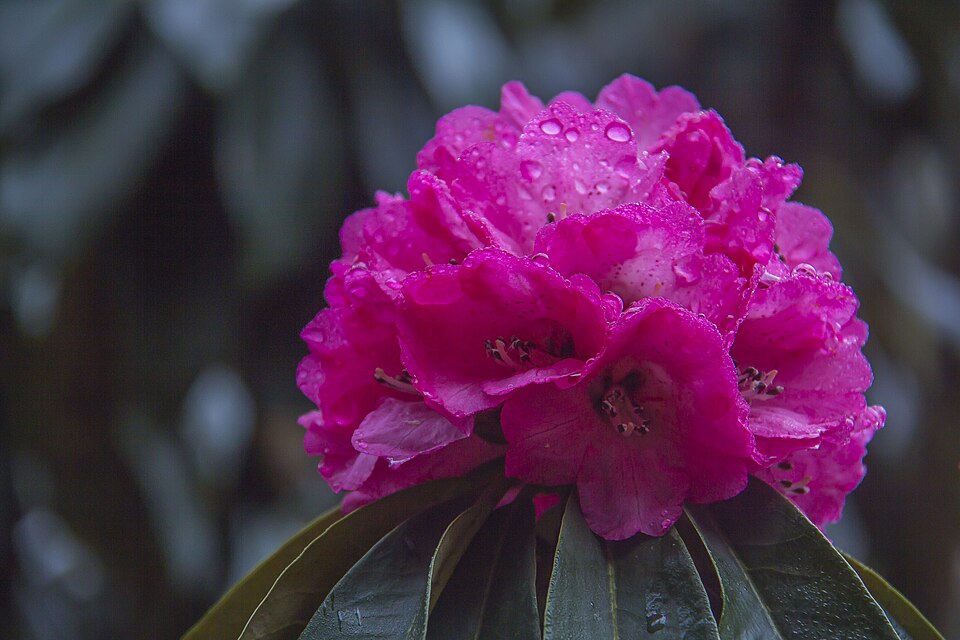
Rhododendron species (Rhododendron)
A beloved spring-flowering shrub in cooler climates. All parts contain grayanotoxins. All parts of the plant are poisonous to humans , pets and grazing stock animals. Alarmingly their toxicity also extends to our native wildlife. The nectar of some Rhododendron varieties can poison Tūī and Korimako (Bellbirds), sometimes resulting in “drunken” behavior, paralysis, or even death after they feed.
Ricinus communis (Castor Oil Plant)
Grown for its bold, reddish foliage. The mottled seeds contain ricin, one of the most potent natural toxins on earth. A single seed can be fatal to a child.
Solanum species (The Nightshade Family)
This large genus includes many common weeds and garden plants, most of which feature toxic properties, particularly in their green parts and unripe fruit:
- Solanum aviculare (Poroporo): A native shrub; the leaves and green berries are toxic.
- Solanum dulcamara (Bittersweet): A climbing weed; all parts, especially the berries, are toxic.
- Solanum linnaeanum (Apple of Sodom): A spiny weed; the yellow berries are toxic.
- Solanum nigrum (Black Nightshade): A very common garden weed; the leaves and green (unripe) berries are toxic.
- Solanum pseudocapsicum (Jerusalem Cherry): Often found in shady corners; all parts, particularly the cherry-like berries, are highly poisonous.
- Solanum tuberosum (Potato): While the underground tubers are a staple food, green potatoes and the small green berries the plant sometimes produces are toxic.
Sophora microphylla (Kōwhai)
New Zealand’s iconic native tree. While the nectar feeds our native birds, all parts, but mainly the hard yellow seeds, are toxic if chewed or crushed, causing severe nausea and vomiting.
Taxus baccata (English Yew)
A classic evergreen conifer used for hedging. The fleshy red aril is not toxic, but the brown seed inside each berry (along with the leaves and bark) is highly poisonous and can cause cardiac arrest.
Urtica ferox (Onga-onga or Tree Nettle)
A native shrub found in native bush borders. It is covered in fine white stinging hairs that are violently poisonous. Brushing against it causes intense nerve pain, and severe stings have historically caused fatalities.
Safety Tips for New Zealand Gardeners
- Educate your family: Teach children from a young age never to eat leaves, flowers, seeds, or berries from the garden without checking with an adult first.
- Wear protective gear: Always wear gardening gloves when pruning or weeding. Consider long sleeves and safety glasses when dealing with sap-producing plants or stinging nettles.
- Clean up well: Thoroughly wash your hands and tools after working in the garden, especially before eating.
- Know what to do in an emergency: If you suspect someone has eaten a poisonous plant, do not wait for symptoms to appear. Call the National Poisons Centre on 0800 POISON (0800 764 766) immediately for 24/7 advice in New Zealand.
“`
Go To Best gardens to visit in Auckland From Poisonous Plants NZ Gardens Guide
Go To Gardening NZ Home Page From Poisonous Plants NZ Gardens Guide
Photo credit – Rhododendron – Saroj Pandey, CC BY-SA 3.0 creativecommons.org/licenses/by-sa/3.0>, via Wikimedia Commons