
How to Stop Codling Moth Destroying Your Apple Fruit
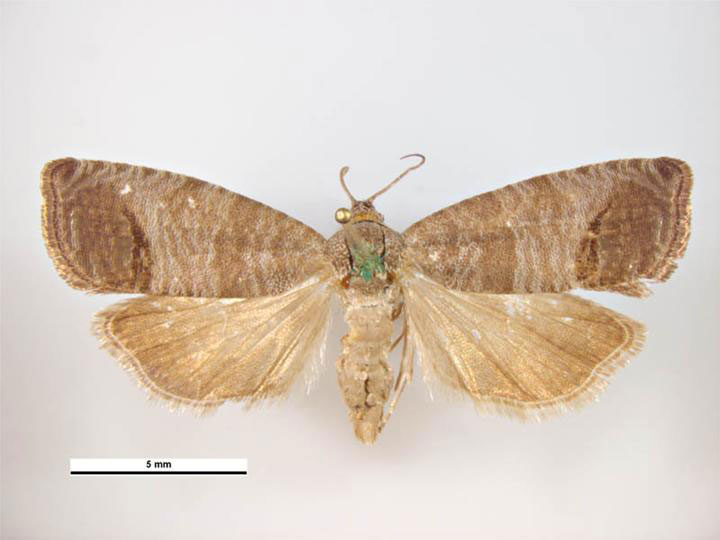
There is nothing more frustrating than nurturing an apple tree all year, only to bite into your first harvest and find a brown, sawdust-filled tunnel and a wriggling pink caterpillar staring back at you. The codling moth (Cydia pomonella) is the absolute bane of anyone trying to grow organic pipfruit in New Zealand. If you want to harvest clean, perfect apples and pears, you need a strict codling moth control nz plan based on precise timing.
The Damage: What Are You Looking For?
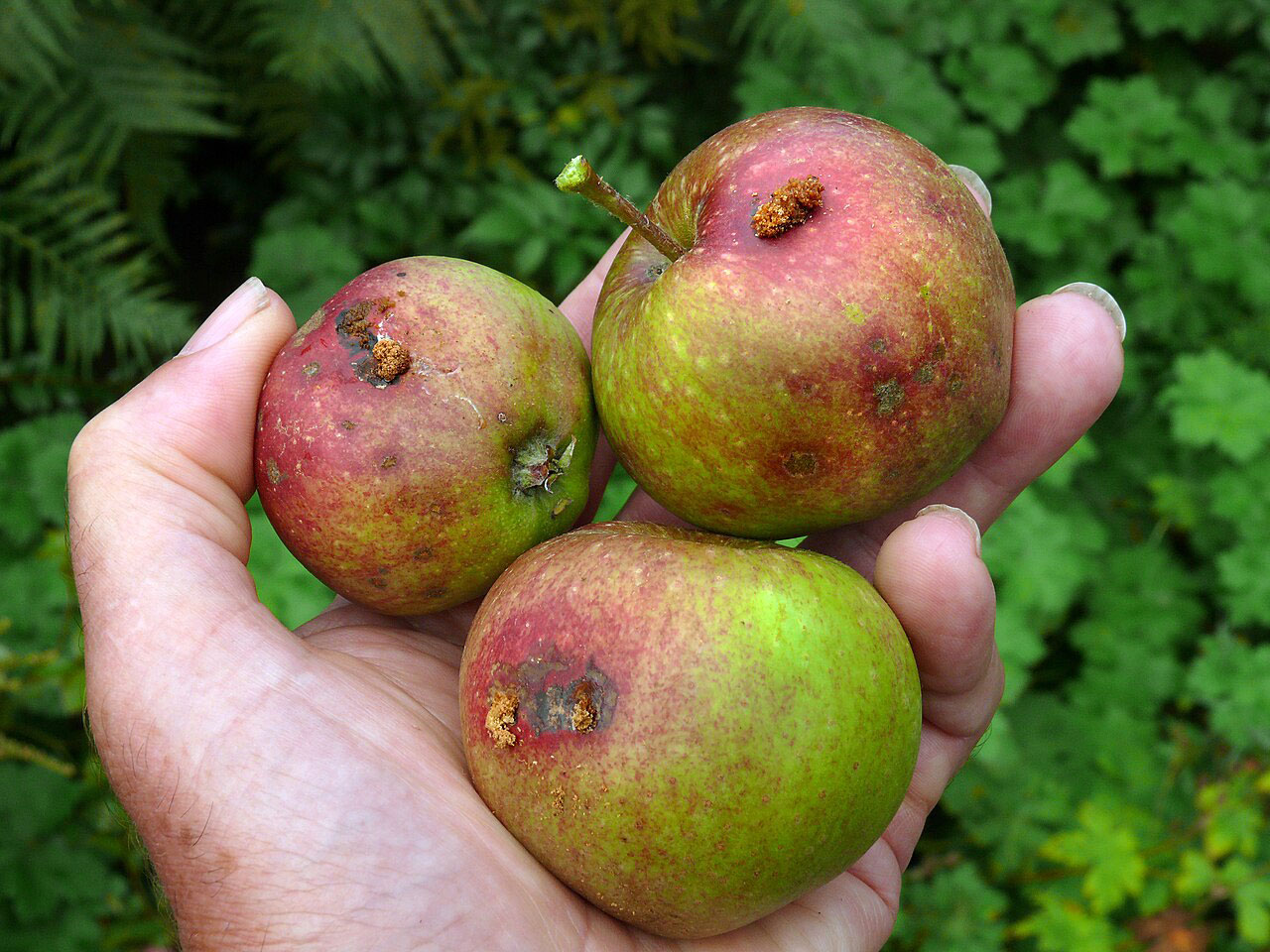
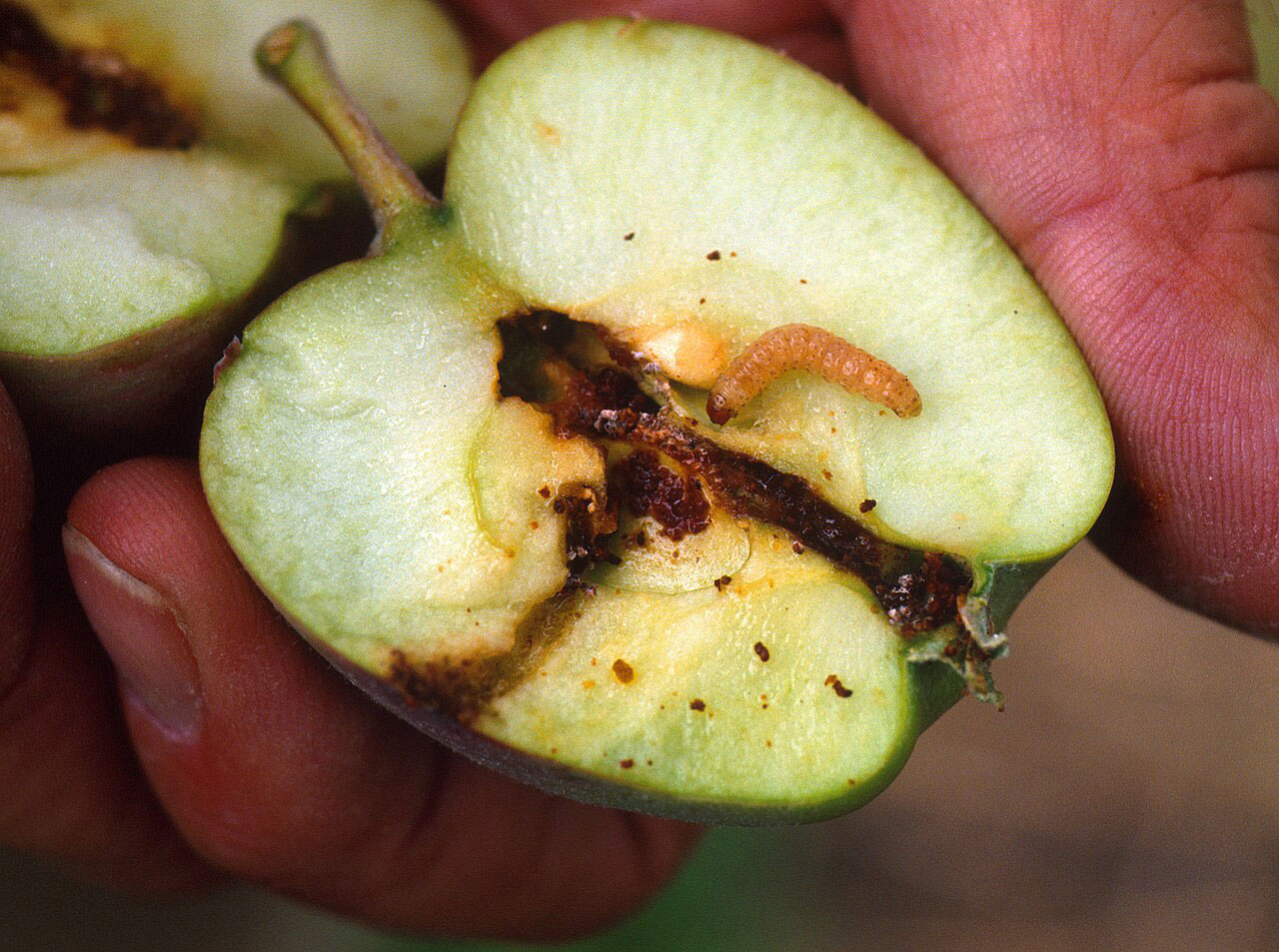
Codling moth caterpillars do not eat the leaves of your apple tree; they are solely interested in the fruit. The tiny larvae hatch on the leaves or fruitlets and immediately bore into the apple, tunneling straight for the core to eat the seeds. As they eat, they push out a brown, sawdust-like waste called frass, which you will see accumulating around the entry or exit holes on the skin. The fruit often ripens prematurely and drops to the ground to rot.
The Codling Moth Life Cycle (New Zealand Calendar)
Knowing when to spray for codling moth nz requires understanding exactly what the pest is doing during each season:
- Winter (May – September): The mature caterpillars are overwintering. They spin tough little silken cocoons and hide under the loose bark of your apple tree or in the leaf litter at the base of the trunk.
- Early Spring (September – October): The caterpillars pupate and transform into adult moths.
- Late Spring (October – November): On warm evenings (above 15°C), the adult moths emerge, mate, and lay tiny, translucent eggs on the leaves and newly formed fruitlets.
- Summer (November – February): The eggs hatch, and the larvae immediately bore into your apples. They feed inside for several weeks before tunneling out, dropping to the ground, and looking for a place to spin their winter cocoon.
How to Treat and Control Codling Moth
Because the caterpillar spends almost its entire life safely hidden inside the apple or tucked under bark, hitting it with a spray is notoriously difficult. You must use a multi-pronged approach targeting their vulnerable moments.
1. Monitor with Pheromone Traps (October)
You cannot kill an infestation with traps alone, but codling moth traps nz are your most important timing tool. Hang a pheromone trap in your tree in early to mid-October. The trap emits the scent of a female moth, luring in the males. Once you start seeing moths stuck to the sticky base, you know they are actively mating and laying eggs. This is your signal that spraying will be required in 10 to 14 days.
2. Spraying (November)
You must spray when the eggs are hatching but before the larvae bore into the fruit. Once they are inside the apple, sprays are completely useless. A general rule of thumb for New Zealand is to start spraying just after “petal fall” (when the last blossoms drop and the tiny apples are exposed), which usually aligns with early to mid-November.
- Organic Options: Sprays based on Bacillus thuringiensis (Bt) or Neem Oil can disrupt the larvae if applied meticulously every 7-10 days during the hatching window. There is also a highly specific organic virus spray called Madex that only targets codling moth.
- Chemical Options: Insecticides containing Spinetoram (like Yates Success Ultra) are highly effective when sprayed every 14 days from petal fall through December.
3. Cultural Control (Summer and Autumn)
If you want to reduce your reliance on sprays next year, you must break the life cycle manually:
- Trunk Banding: In December, wrap a thick band of corrugated cardboard tightly around the trunk of your apple tree. When the caterpillars exit the fruit to pupate, they will think the corrugated cardboard is the perfect piece of loose bark to hide under. In late autumn, remove the cardboard and burn it or throw it in the rubbish, destroying hundreds of overwintering pests.
- Clear Fallen Fruit: Never let damaged apples rot on the ground. Pick them up immediately and dispose of them (do not compost them, or the caterpillars will just overwinter in your compost bin!).
- Scrape the Bark: In winter, gently use a wire brush to scrape away loose, flaky bark on the main trunk to remove the caterpillar’s natural winter hiding spots.
By timing your sprays accurately with a pheromone trap and using cardboard bands to break the winter life cycle, you can successfully reclaim your pipfruit harvest from this devastating pest.
Go To Best gardens to visit in Auckland From Codling Moth Control NZ
Go To Gardening NZ Home Page From Codling Moth Control NZ
Attribution – credits/resources used on this page include-
Simon Winkley & Ken Walker, Museum Victoria, CC BY 3.0 AU
Patrick Clement from West Midlands, England, CC BY 2.0
Doug Wilson, Public domain, via Wikimedia Commons