
Essential Guide to Growing Kawakawa at Home
With the booming interest in rongoā (traditional Māori medicine) and native teas, more and more Kiwi gardeners are asking about growing kawakawa nz style. Known for its distinct, heart-shaped leaves and aromatic, peppery scent, kawakawa is not just a highly useful medicinal plant; it is also a beautiful, lush addition to a native garden. Here is your essential guide to cultivating and sustainably harvesting this taonga (treasure) at home.
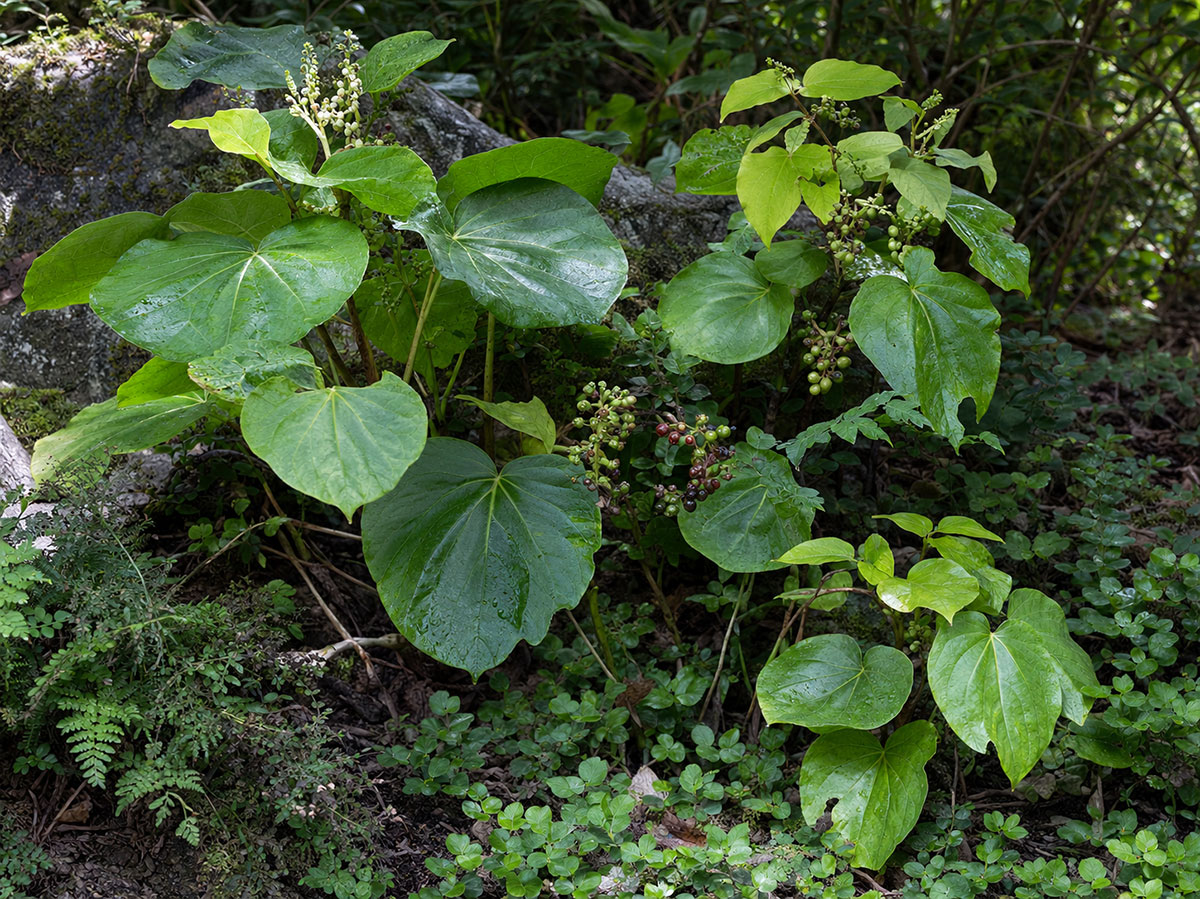
Genus, Species, and Varieties
Kawakawa belongs to the pepper family (Piperaceae). For many years, it was classified as Macropiper excelsum, but it is now widely recognized under the botanical name Piper excelsum.
While there are variations in leaf size and plant height depending on the specific region (such as offshore island variants which often have larger, glossier leaves and no holes), the mainland New Zealand species is the one most commonly grown in home gardens and used for rongoā.
General Cultural Information: Kawakawa Plant Care
In its natural habitat, kawakawa is an understory shrub found in coastal and lowland forests throughout the North Island and the upper half of the South Island. Replicating this environment is the secret to successful kawakawa plant care.
- Light: Kawakawa thrives in dappled light, semi-shade, or full shade. Too much harsh, direct sunlight can scorch its leaves and stunt its growth. It’s the perfect plant for those tricky, shady spots under established trees.
- Soil and Moisture: It prefers rich, free-draining soil that retains some moisture. Adding plenty of compost or leaf litter to the planting hole will keep it happy. While it enjoys a drink, it does not like having “wet feet” (waterlogged roots).
- Climate: Kawakawa is frost-tender, especially when young. If you live in an area prone to heavy frosts, plant it in a sheltered position, such as against a warm north-facing wall or under a protective canopy, or keep it in a large pot that can be moved during winter.
Uses: Rongoā Māori and Native Teas
Kawakawa is arguably one of the most important plants in rongoā Māori. It is a warming, stimulating herb known for its antimicrobial, analgesic, and anti-inflammatory properties.
- Kawakawa Tea: A popular, soothing tonic made by steeping the leaves in hot water. It is traditionally used to aid digestion, ease stomach cramps, and soothe winter colds.
- Balms and Salves: The leaves are often infused into carrier oils (like olive or sweet almond oil) and mixed with beeswax to create healing balms for eczema, insect bites, minor cuts, and joint pain.
- Culinary Uses: As a relative of black pepper, the leaves and dried fruit spikes can be used as a uniquely New Zealand seasoning in savory dishes.
The Kawakawa Looper Caterpillar: A Welcomed Guest
If you notice your kawakawa leaves are full of holes, don’t reach for the bug spray! These holes are the work of the kawakawa looper caterpillar (Cleora scriptaria), the larva of a native moth.
In the world of rongoā, these caterpillars are highly valued. When the caterpillar chews on the plant, the kawakawa responds to the stress by producing higher concentrations of its active medicinal and protective compounds (like myristicin) around the wounded tissue. Therefore, the most hole-riddled leaves are actually the strongest and most desirable for medicine making.
How to Harvest Kawakawa Sustainably
Knowing how to harvest kawakawa is just as important as knowing how to grow it. Sustainable, respectful harvesting ensures the plant continues to thrive.
- Harvest with intention: Traditional harvesting involves a karakia (prayer or intention) to acknowledge the plant and ask for its healing properties.
- Choose the holey leaves: As mentioned above, always select the leaves that have been heavily munched on by the looper caterpillar.
- Don’t strip the plant: Never take more than you need. A good rule of thumb is to only harvest a few leaves from multiple different branches, rather than stripping one branch completely bare. Ensure you leave the newest, youngest leaves (the growing tips) intact so the plant can continue to grow.
- Pick correctly: Snap or pinch the leaf stalk cleanly near the main stem, rather than tearing it, which can strip the bark and invite disease.
By understanding its natural preferences and respecting the harvesting process, you can easily cultivate your own supply of this incredible native healer right in your backyard.