
How to Get Rid of Passionvine Hoppers (and their “Fluffy Bums”)
Passionvine Hopper Control NZ – Every summer, gardeners across the North Island watch in dismay as their plants are swarmed by tiny, moth-like insects and their bizarre-looking offspring. In fact, so many Kiwis are baffled by these juvenile pests that they literally search the internet for how to get rid of fluffy bums garden pests! These are Passionvine Hoppers (Scolypopa australis), an introduced pest from Australia that sucks the sap from a wide range of ornamental and fruiting plants.
Understanding the Enemy: Fluffy Bums and Honeydew
To implement effective passionvine hopper control nz style, you need to understand their life cycle and the real damage they cause:
Passionvine hoppers go through three main life stages—egg, nymph, and adult—completing one generation each year.
1. Egg Stage –
- Timing: Laid in late summer and autumn; overwinter inside plant tissue.
- Appearance: Pale, oblong, and about 1 mm long.
- Behavior: Females insert rows of eggs into soft, dead, or dying plant stems. They plug the holes with pulped plant fibers, leaving a mark that looks like a row of stitches or white dots.
2. Nymph Stage (Five Instars) –
- Timing: Hatch in spring (typically October to December) and develop through five growth stages over the warmer months.
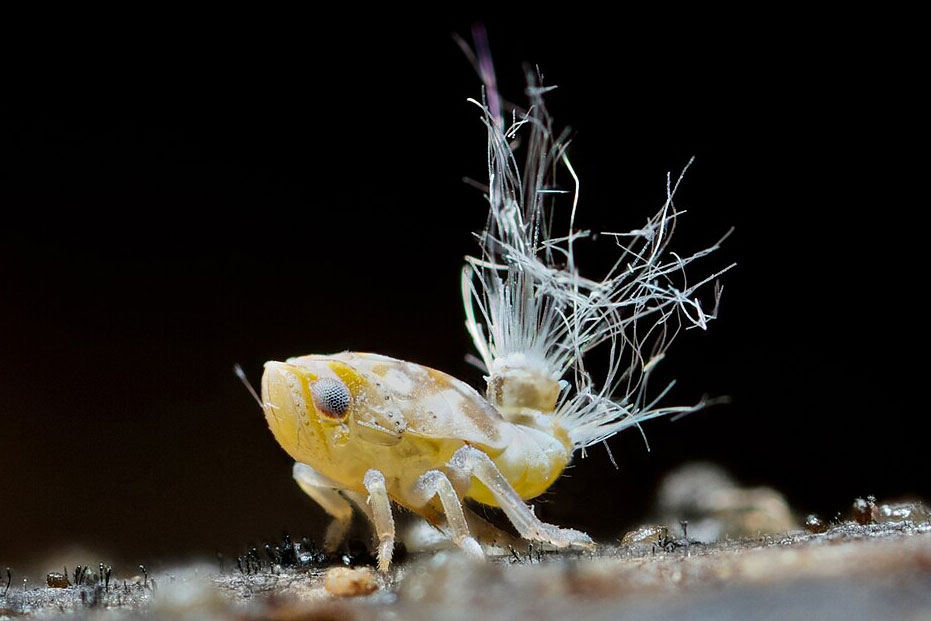
- Appearance: Tiny, pale, wingless insects growing from 1 mm to 5 mm. They feature a distinct fan-shaped tuft of white waxy filaments on their rear end, earning them the nickname “fluffy bums”.
- Behavior: Nymphs cluster at plant stems and leaf tips to feed on phloem sap. They can jump vigorously when disturbed and secrete a sugary waste called honeydew, which causes sooty mould.
3. Adult Stage –
- Timing: Emerge from early summer (around late December) through to early winter.
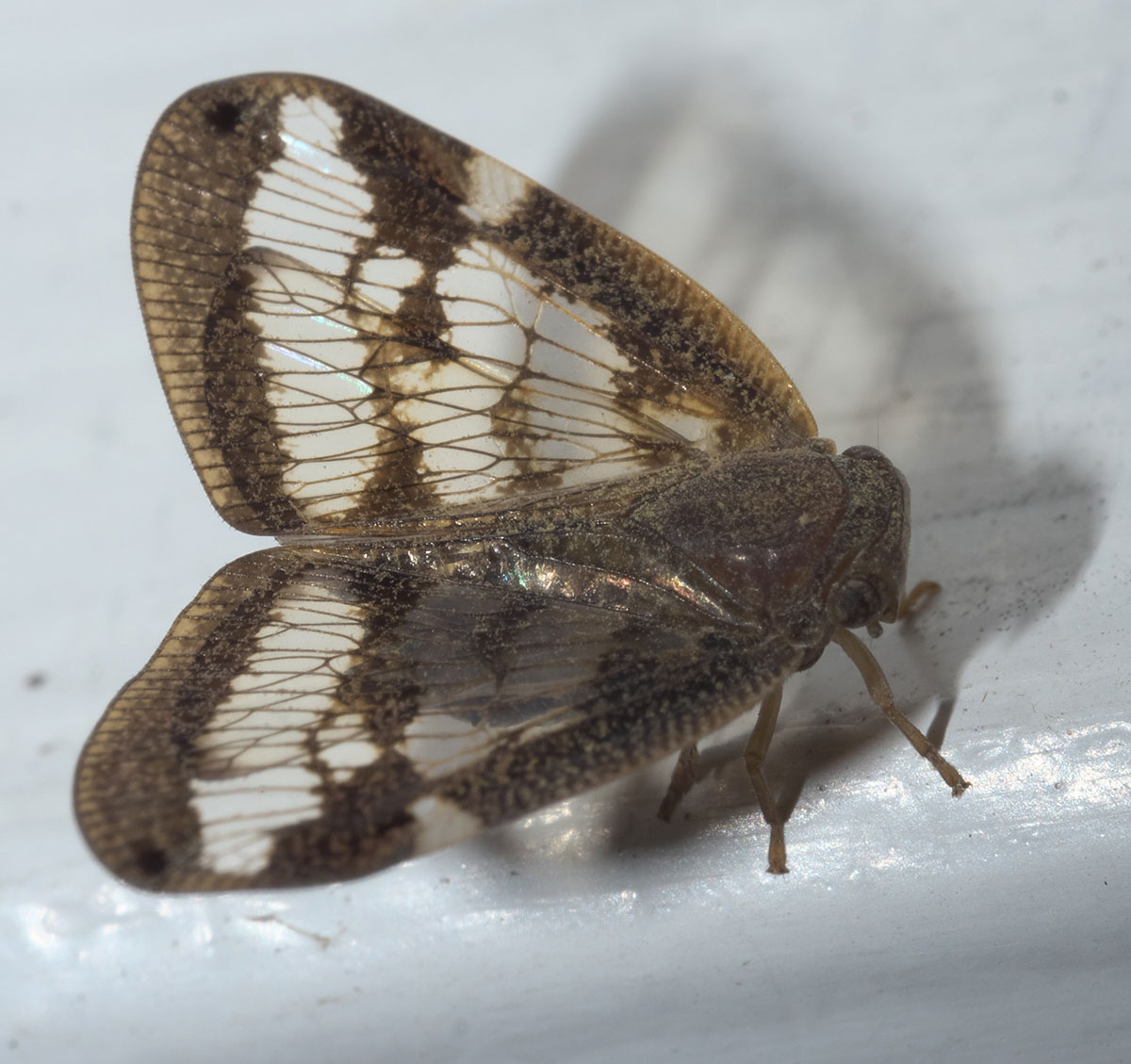
- Appearance: Small and moth-like, measuring about 5 to 6 mm long with a stubby, triangular body. Their broad forewings are clear with a mottled brown pattern and are held tent-like over the body.
- Behavior: Adults can both jump and fly. They line up on plant stems to feed on sap and lay the next season’s eggs before dying off as winter cools.
The Damage: The hoppers themselves don’t usually kill the plant by feeding. The real problem is their waste. They excrete a sticky, sugary substance called honeydew. A black fungus called sooty mould quickly grows on this honeydew, coating the leaves, blocking photosynthesis, and stunting the plant’s growth.
Organic and Natural Passionvine Hopper Remedies
Because these pests often congregate on edible plants (like passionfruit, kiwi, and citrus), many gardeners prefer a natural passionvine hopper remedy.
- The Hose Method: Nymphs are easily dislodged. A strong blast from the garden hose will knock the fluffy bums off the plant. Because they are wingless, many cannot climb back up and will perish on the ground.
- Neem Oil and Pyrethrum: Organic sprays containing Neem oil or Pyrethrum are highly effective, but timing is everything. You must spray in late spring or early summer while they are still wingless nymphs. Once they mature into winged adults, they will simply fly away before the spray hits them.
- Detergent Mixes: A mild mixture of dishwashing detergent and warm water can be used as a temporary direct spray.
- Pruning Egg-Laying Sites: In late winter, look for rows of tiny, fuzzy punctures along the stems of your most heavily infested plants (often jasmine, hydrangea, or passionfruit). Prune these stems off and burn or bin them to destroy the overwintering eggs before they hatch.
Prevention and Plant Health
- Maintain Plant Vigor: Keep plants consistently watered and fertilized with tonics like Organic Seaweed Plant Tonic or make your own brew of organic matter to help them resist sap-sucking damage.
- Manage Weeds: Clear out alternative host weeds (such as privet, agapanthus, and ivy) surrounding your main garden beds.
- Attract Predators: Plant companion flowers like sweet alyssum, borage, hyssop, and lavender to encourage beneficial predatory insects.
Consistency is key. By combining winter pruning with early-season nymph control, you can break the life cycle and reclaim your summer garden from the fluffy bums!
Go To Best gardens to visit in Auckland From Passionvine Hopper Control NZ Guide
Go To Gardening NZ Home Page From Passionvine Hopper Control NZ Guide
Attribution – credits/resources used on this page include-
xpda, CC BY-SA 4.0
Andy Murray, CC BY-SA 2.0