
How to Successfully Grow Feijoas in NZ: The Ultimate Guide
For many Kiwis, autumn isn’t complete without a bucket full of feijoas sitting on the kitchen bench. Whether you are eating them with a spoon, baking them into crumbles, or making chutney, the feijoa is an iconic New Zealand backyard staple. If you have been wondering how to grow feijoas nz style, you are in the right place.
Feijoas (Acca sellowiana) are incredibly hardy, versatile, and relatively low-maintenance, making them perfect for both beginner and experienced gardeners. In this guide, we’ll cover everything from general planting advice to selecting the right varieties for your climate.
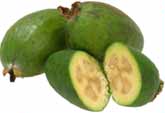
General Cultural Information: Planting and Position
Feijoas thrive in the New Zealand climate, growing well from the warm Far North right down to the frosty deep South. They double as excellent fruiting trees and attractive evergreen hedging plants with their silvery-green foliage and striking red summer flowers.
- Sunlight: Plant your feijoa in full sun. While they can tolerate partial shade, maximum sunshine ensures the best fruit yield and sweet flavour.
- Soil: They are highly adaptable but prefer well-draining, fertile soil. If you have heavy clay, break it up with compost and gypsum before planting, or plant on a raised mound to improve drainage.
- Watering: Feijoas are fairly drought-tolerant once established, but if you want juicy, plump fruit, you must water them deeply during the dry summer months when the fruit is swelling.
- Wind: They are remarkably wind-tolerant and make excellent coastal windbreaks. However, sheltering young plants will give them the best start.
Essential Feijoa Tree Care NZ
Proper feijoa tree care nz ensures your tree produces a bumper crop year after year.
- Feeding: Feed your feijoa trees in early spring and again in mid-summer. A high-potassium fertiliser (like citrus or fruit tree food) is ideal for promoting flower and fruit development. Or if you prefer organic fertiliser; sheep pellets or sheep and chicken pellets are a good option.
- Pruning: Prune your tree after the harvest finishes in late autumn or winter. Feijoas fruit on new growth, so tip-pruning encourages a bushier tree and more fruit the following season. Pruning also opens up the centre of the tree to allow birds (like Tūī and Waxeyes) to access the flowers for pollination.
- Mulching: Apply a thick layer of organic mulch around the base of the tree in spring to retain moisture and suppress weeds. Keep the mulch away from the trunk to prevent collar rot.
The Best Feijoa Varieties for Kiwi Gardens
When selecting a tree, you’ll want to look at the best feijoa varieties suited to your taste, harvest time, and garden size. Feijoas are categorised into early, mid, and late-season varieties. Planting one of each will stretch your harvest from March right through to June!
- Unique (Early Season): A prolific cropper that produces medium-sized, smooth-skinned fruit. This is one of the most popular varieties because it is genuinely self-fertile, making it perfect for small gardens where you only have room for one tree.
- Kaiteri (Early Season): Produces massive, sweet, and smooth fruit very early in the season. A vigorous grower.
- Apollo (Mid Season): Renowned for its large, sweet fruit and excellent flavour. Partially self-fertile but performs much better with a pollinator.
- Kakapo (Mid Season): A fantastic, reliable producer of medium-sized, sweet fruit with a hint of apple flavour.
- Triumph (Late Season): A slightly firmer, sometimes bumpy fruit with a sharp, tangy-sweet flavour. Excellent for preserving and extends the season beautifully.
The most common problem I encountered with home gardeners was being asked “Why are my Feijoa fruit small”. That’s usually because people buy the cheapest and/or largest Feijoa plant available which is typically a seed grown plant. You’re better off buying what is often a smaller plant, but significantly has a variety name tag on it. That means it’s been selected because it’s has superior fruit to seed grown plants.
Understanding Cross-Pollination
A common mistake gardeners make is planting a single tree that requires a partner. While some varieties (like ‘Unique’) are self-fertile and will produce fruit on their own, most feijoa varieties are either partially self-fertile or completely self-infertile.
For the best fruit set and largest fruit size, you should plant at least two different varieties that flower at the same time. Birds (particularly Tūī and Silvereyes) are the primary pollinators of feijoas in New Zealand, as they visit the trees to eat the sweet red flower petals, spreading pollen in the process.
Top Tip: If you are short on space, try planting two different varieties in the same hole, or look for “double-grafted” trees at your local garden centre.
Troubleshooting: Why is my feijoa not fruiting?
It is incredibly frustrating to wait all year only to end up with no fruit. If you are asking, “why is my feijoa not fruiting?“, it usually comes down to one of these four reasons:
- Lack of Pollination: You might have a variety that isn’t self-fertile and lacks a cross-pollinator nearby. Alternatively, a lack of bird activity during the spring flowering season means the pollen didn’t transfer.
- Age of the Tree: Feijoas grown from cuttings usually take 2 to 3 years to fruit, while trees grown from seed can take up to 5 to 7 years. Patience is key!
- Poor Watering in Summer: The tree may have produced flowers, but if it experienced drought stress during late summer when the fruit was trying to form, it will drop the fruit prematurely.
- Too Much Nitrogen: If you feed your tree with a fertiliser heavily loaded with nitrogen (like lawn food), the tree will put all its energy into growing lush green leaves at the expense of flowers and fruit. Switch to a fruit/potash-heavy fertiliser.
With the right position, a little bit of feeding, and the right mix of varieties, your feijoa trees will reward you with an abundance of delicious fruit for decades to come. Happy planting!